Mattress Materials Demystified: A Practical Guide to Comfort and Durability
A thorough, editorial exploration of what goes into modern mattresses, how different materials shape sleep, and what readers should consider when choosing a bed. With insights drawn from industry leaders and a nod to Swedish design influence, this guide blends science, craftsmanship, and everyday pragmatism.
Why mattress materials matter
Choosing a mattress is less about trendy labels and more about how materials interact with your body, sleep position, temperature preferences, and movement. The right combination can support spinal alignment, reduce pressure points, and minimize partner disturbance. Different materials bring distinct trade-offs in terms of comfort, durability, breathability, and care requirements. In this guide, we’ll unpack the core categories you’re likely to encounter, including latex, memory foam, innerspring, and natural fillings, and tie them back to practical shopping decisions.
Key material categories
Latex
Natural or synthetic latex is known for resilient contouring and buoyant support. Natural latex, often sourced from rubber trees, offers a breathable structure that tends to remain cooler than dense memory foams. Good latex responds quickly, returns to shape efficiently, and can provide durable comfort with a consistent feel across the surface. Its longevity is a plus for a long-term mattress investment.
- Pros: Comfortable support, good air circulation, durable.
- Cons: Can be pricier; some sleepers perceive a springy feel that takes getting used to.
Memory Foam
Memory foam shapes itself to the body, offering excellent pressure relief and motion isolation. Modern formulations vary in density and memory characteristics, with plant-based and open-cell alternatives aimed at improving breathability. The hallmark is close body conformance, which can be ideal for side sleepers or those seeking targeted pressure relief around hips and shoulders.
- Pros: Pressure relief, motion isolation, supportive for many sleep positions.
- Cons: Heat retention can be an issue for some; feel may be too slow to respond for active sleepers.
Innerspring and hybrid constructions
Traditional pocketed coil systems and modern hybrids pair a support core with comfort foams or latex layers. Innerspring constructions excel at durability and bounce, while pocketed designs deliver better contouring and reduced motion transfer. Hybrids blend the benefits, combining coils with foam or latex for a balanced feel that can suit a wide range of sleepers and budgets.
Brand examples often illustrate how cores interact with comfort layers. For instance, a premium system might layer natural fillings and wool with a responsive coil core to create a durable, breathable sleep surface that ages gracefully.
Natural fillings and organic options
Natural and organic fillings—such as organic cotton, wool, horsehair, and latex—prioritize minimal chemical exposure and climate regulation. They can offer a breathable, temperature-balanced sleep surface and a sense of luxury through tactile, high-quality materials. These options often appeal to sleepers seeking sustainability alongside comfort.
- Pros: Temperature regulation, durability, often fewer synthetic additives.
- Cons: Typically premium-priced; availability varies by region and brand.
A quick tour of notable implementations
Naturepedic and organic mattresses
Naturepedic exemplifies organic materials and non-toxic design. Their use of certified organic cotton, breathable foams, and water-friendly finishes demonstrates how a company can align comfort with health-conscious principles. These choices highlight the consumer demand for transparency and low chemical exposure in sleep products.
Vispring and handcrafted luxury
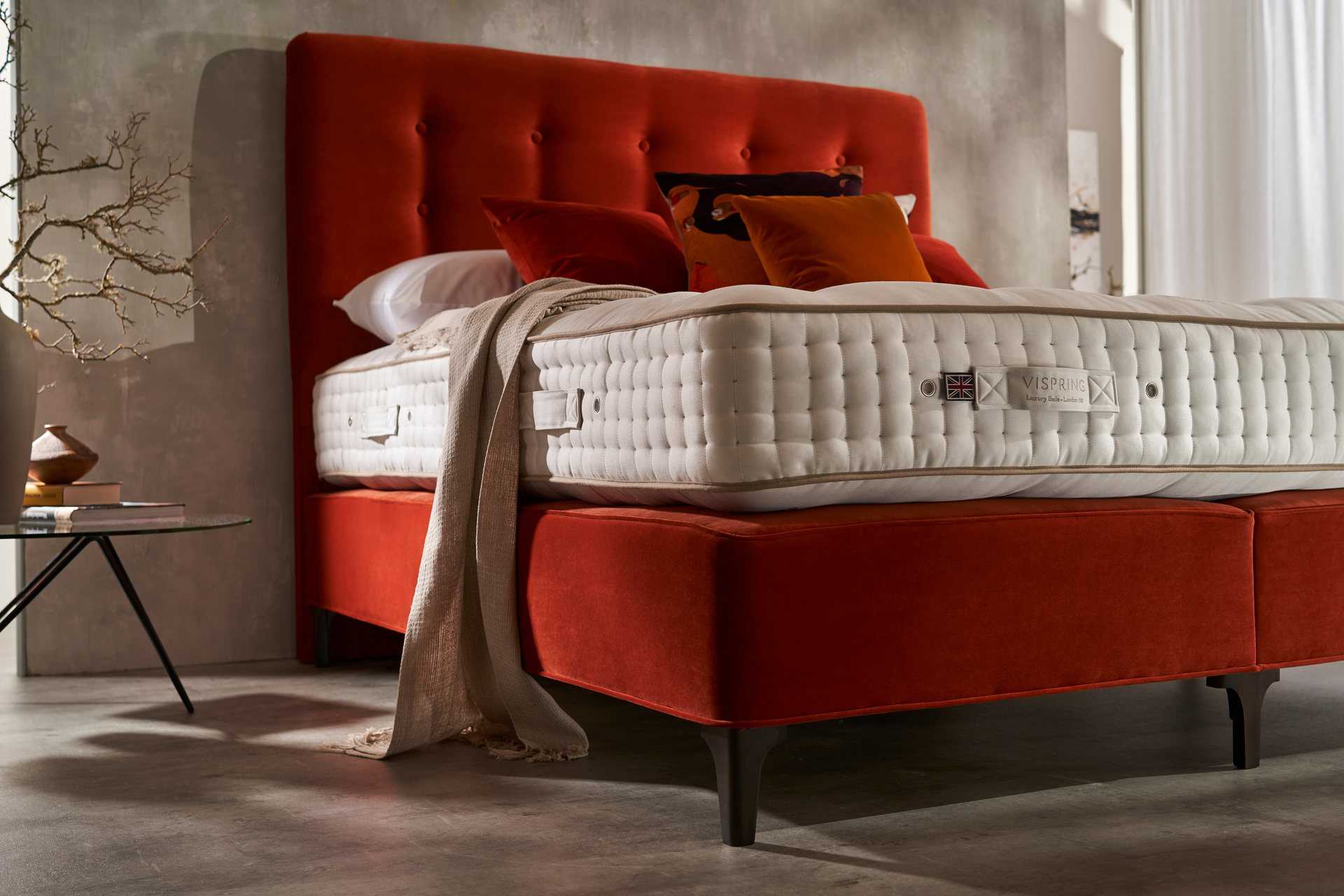
Vispring showcases artisanal, hand-tufted construction and a focus on natural fillings like horsehair and wool. Their meticulous approach reveals how premium materials and traditional techniques translate into long-lasting support, refined airflow, and a distinctive, heirloom feel.
Three key individuals who shaped mattress thinking across eras
John Ashcroft (early innovations in bedding usability, 19th century)
A pioneer in standardized sizing and bed ergonomics, Ashcroft’s era emphasized practical support and cleanable furnishings as households modernized. He helped popularize structured foundations and accessible fabrics that allowed families to care for beds without specialized maintenance. His work echoed a broader shift toward functional comfort in domestic spaces.
Quote: “A bed is not just a place to rest; it is a daily instrument of well-being.”
Maria Montessori (designing for comfort and posture, mid-20th century)
Though renowned for education, Montessori’s philosophy extended to environments that nurture posture, safe materials, and thoughtful alignments. In bedding discourse, her influence surfaces in child-friendly, low-to-the-ground setups and the emphasis on materials that respond without harsh chemical treatments, aligning with modern organic and natural-fill trends.
Quote: “A well-ordered space supports a well-ordered body.”
Dr. Elena Varga (contemporary sleep science and material interfaces)
A leading figure in sleep ergonomics, Dr. Varga bridges material science with real-world sleep outcomes. Her research into airflow, temperature regulation, and cushioning informs how brands approach the balance of firmness, conformance, and comfort. Her work underscores why materials designed to manage heat and moisture can meaningfully improve sleep quality.
Quote: “The best sleep surfaces feel invisible—support that disappears as you drift.”
Swedish design influence: calm spaces meet scientific comfort
Swedish design is synonymous with minimalism, natural materials, and a design ethic that favors calm, functional spaces. In the realm of mattresses and bedding, these principles translate into breathable layers, long-term durability, and aesthetic restraint. A Swedish-influenced approach might emphasize neutral palettes, temperature-friendly materials, and modular components that retain a clean, uncluttered feel in the bedroom—an environment conducive to restful sleep and mindful living.
Product spotlight: Ashville Upholstered Bed as a centerpiece
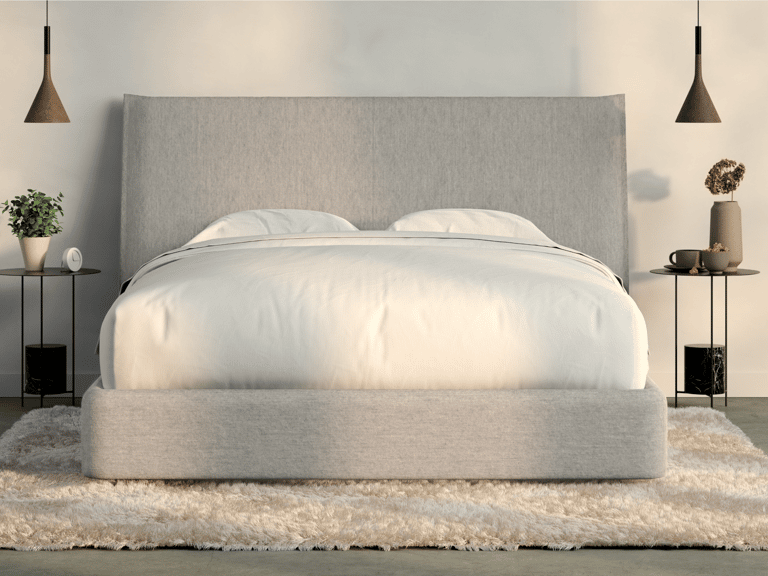
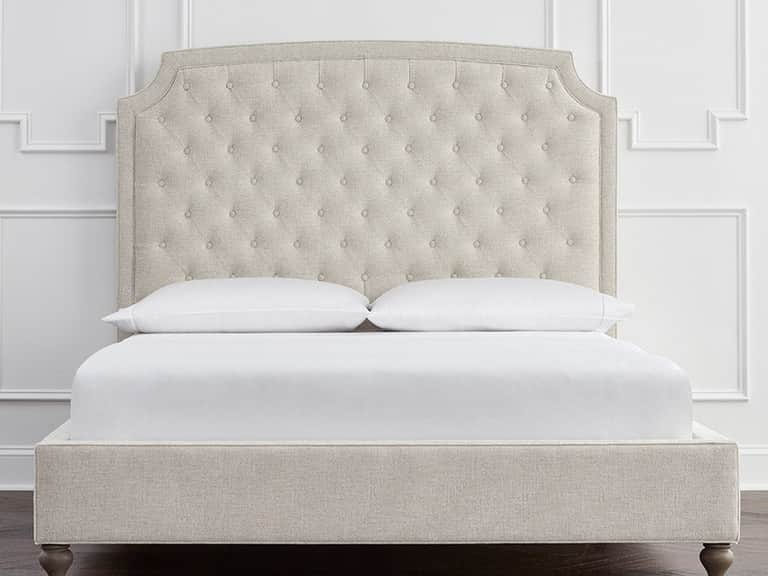
The Ashville Upholstered Bed embodies the blend of durability, ease of care, and timeless appeal that echoes a Scandinavian sense of sophisticated simplicity. With a Maplewood frame and stain-resistant polyurethane upholstery, it offers a sturdy, low-maintenance foundation for diverse sleep environments. It’s a practical choice for readers who want a bed that anchors a calm, uncluttered room while standing up to daily wear.
- Made to order in the USA with a Maplewood frame
- Stain-resistant polyurethane upholstery; railroaded fabric for a seamless look
- Care: spot clean with water-based cleaners or mild solvents


Practical guidance: how to choose materials for your sleep style
- Identify your sleep position and priorities: pressure relief, support, temperature control, motion isolation, or a balance of these factors.
- Consider climate and room use: breathability and moisture management often matter more in warm conditions or shared sleep spaces.
- Balance cost with longevity: higher-quality natural fillings and advanced foams may carry a premium but tend to last longer with better performance over time.
- Assess brand commitments: look for third-party certifications, transparency in materials, and clear care instructions to protect your investment.
A design-forward, information-rich approach to sleep
By embracing a Nordic-inspired aesthetic—clean lines, natural textures, and a restrained color palette—your sleep environment becomes a sanctuary that supports both rest and daily productivity. The alignment of science-backed comfort with Scandinavian design creates a space that invites you to unwind, recharge, and wake ready to face the day. The discussion of materials is not merely technical; it is about shaping environments that honor your body and your time.
Conclusion: making informed mattress choices
In a market crowded with terms like memory foam, latex, and hybrid, the practical takeaway is simple: prioritize materials that meet your comfort, durability, and care expectations. Look for a balance of pressure relief and support, with attention to temperature regulation and edge stability. When you combine thoughtful material choices with a design-conscious approach to your bedroom, you’renot just selecting a mattress—you’re curating a sleeping environment that supports your health, happiness, and everyday life. And in a world where sleep quality strongly correlates with daily performance, investing in the right materials becomes a lasting act of self-care and design sensibility.